The Codependency Hiding Inside "Know Your Customer"
It's 8 in the morning, I've got my coffee, and I want to talk about a piece of advice that keeps coming up: get in the mind of your customer, research what the market wants, figure out what people will actually buy. I don't do that. I put all my focus on my own needs, my own wants, my own pain points — and I've built a whole business from that place.
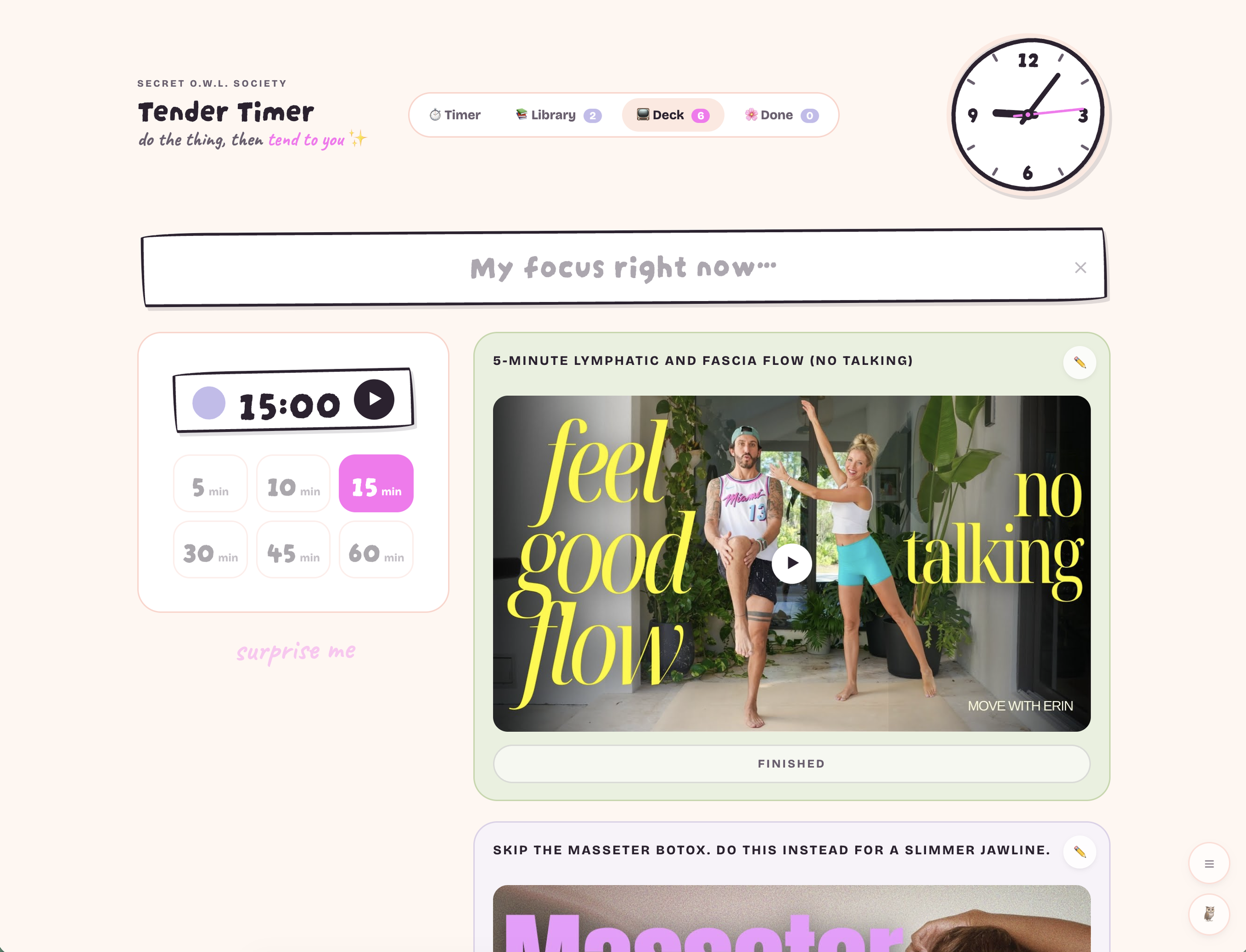
A screenshot of the tool I talk about in the podcast.
Solve Your Own Pain Points First
Why are we trying to solve other people's pain points when we have a bucket load of our own? When you solve a problem that's intimate to you, you're working with a purer form of energy. You're not thinking your way into someone else's life. You're living your own.
The bonus is that my life gets better directly as a result. I love solving my own pain points because it improves my actual life immediately. If I make money from that, it's a cherry on top — because I'm already the primary beneficiary of everything I create.
The only time I step into my customer's shoes is at the very end: when I take the thing I built for myself and turn it into something someone else can use.
How "Focus on Your Customer" can Turn into Codependency
Here's what that advice really asks you to do: leave your own side of the street, walk over to someone else's, take responsibility for their stuff, and build a business on top of it. That's abandoning yourself. And it works — until it really doesn't.
For a lot of us it feels familiar because it's exactly what childhood asked of us. Read the room. Keep everyone happy. Contort yourself into what the adults expected. Be seen and not heard. So being told "just solve everyone else's problems" lands like home.
If solving your own needs feels scary, that's not a strategy problem to fix with a better idea. That's the inner child still waiting to feel safe and seen. The needs don't disappear when you ignore them.
Your Product Niches Down. You Don't.
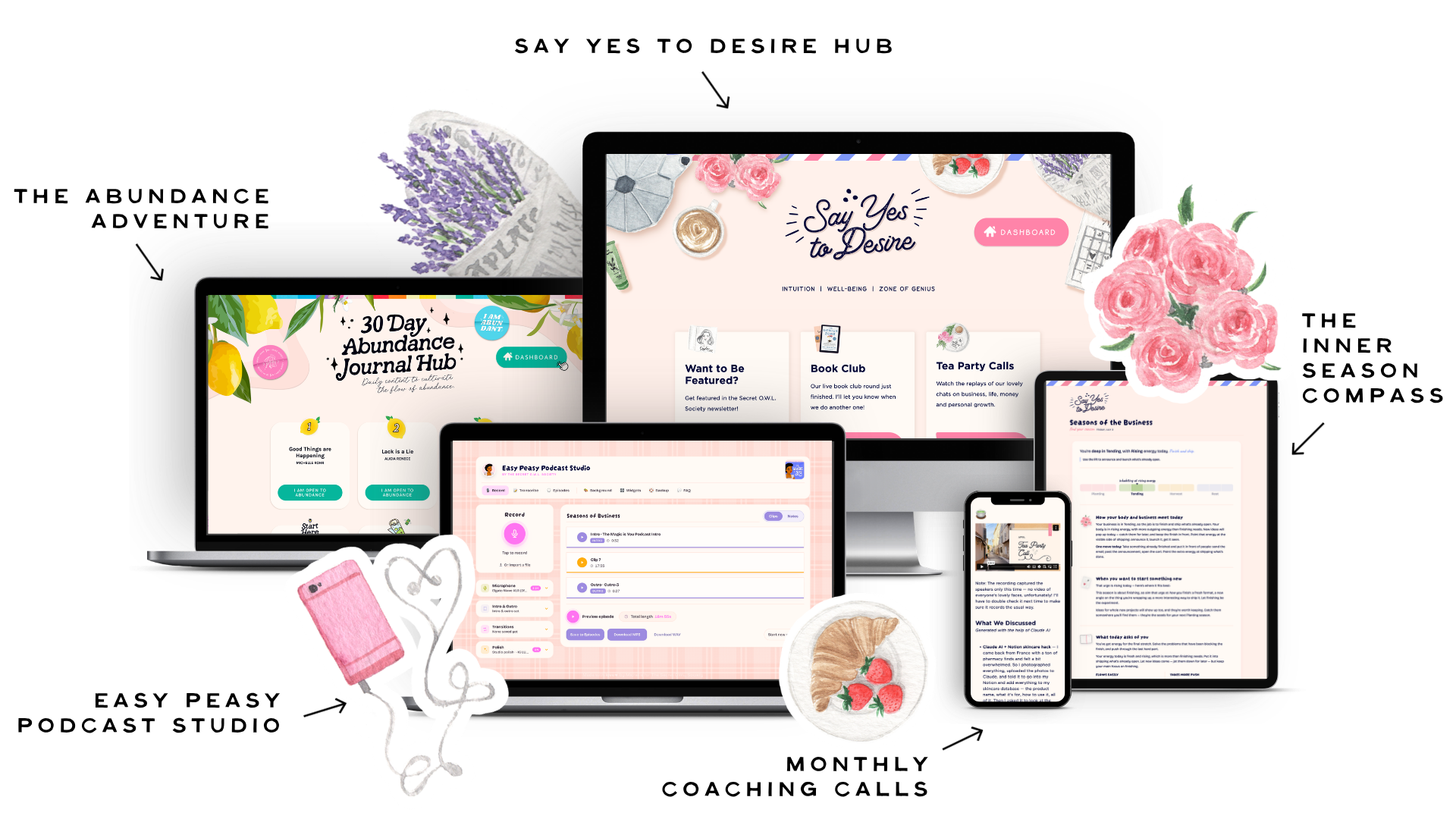
Here's the knot people get stuck in: what if my idea doesn't fit my niche? Sure you can niche down — the product, not the person. Easy Peasy Podcast Studio is for women who want to podcast easily. The Tender Timer is for women who want to combine work with self-care. Those are niches.
But that doesn't mean my entire personality or business has to orbit one topic. You are a human being, not a topic. You cannot niche yourself down as a person, because that would be impossible. Let alone unsustainable.
Everything You Make From Desire Already Coheres
When you create from your real desires, everything relates — because it all came from you. My products have a harmony to them not because I engineered it, but because I am the specific thing. There's no one else like me, so anything that comes from me ties back to me.
Let People Arrive When They're Ready
I don't stick my finger in anyone's pain points. I don't agitate a problem so you feel like you have to buy right now. That "buy now or you’ll be unhappy" energy is what happens when you've niched yourself into a box so small that the only way to survive is to convince people they're in a crisis.
I'd rather build so many doorways that everyone can walk in wherever they naturally are. It's an invitation to decide what's true for you in your season of life. I never want anyone buying from desperation. I want them arriving when they're ready.
Ready to build a business that runs on your own desires?
If this resonated with you, I want to invite you to learn more about Say Yes to Desire. It’s my group coaching program for women who are ready to honor their intuition, well-being, and zone of genius.