Trusting Your Magic: Systems, Boundaries, and Course Creation Q&A
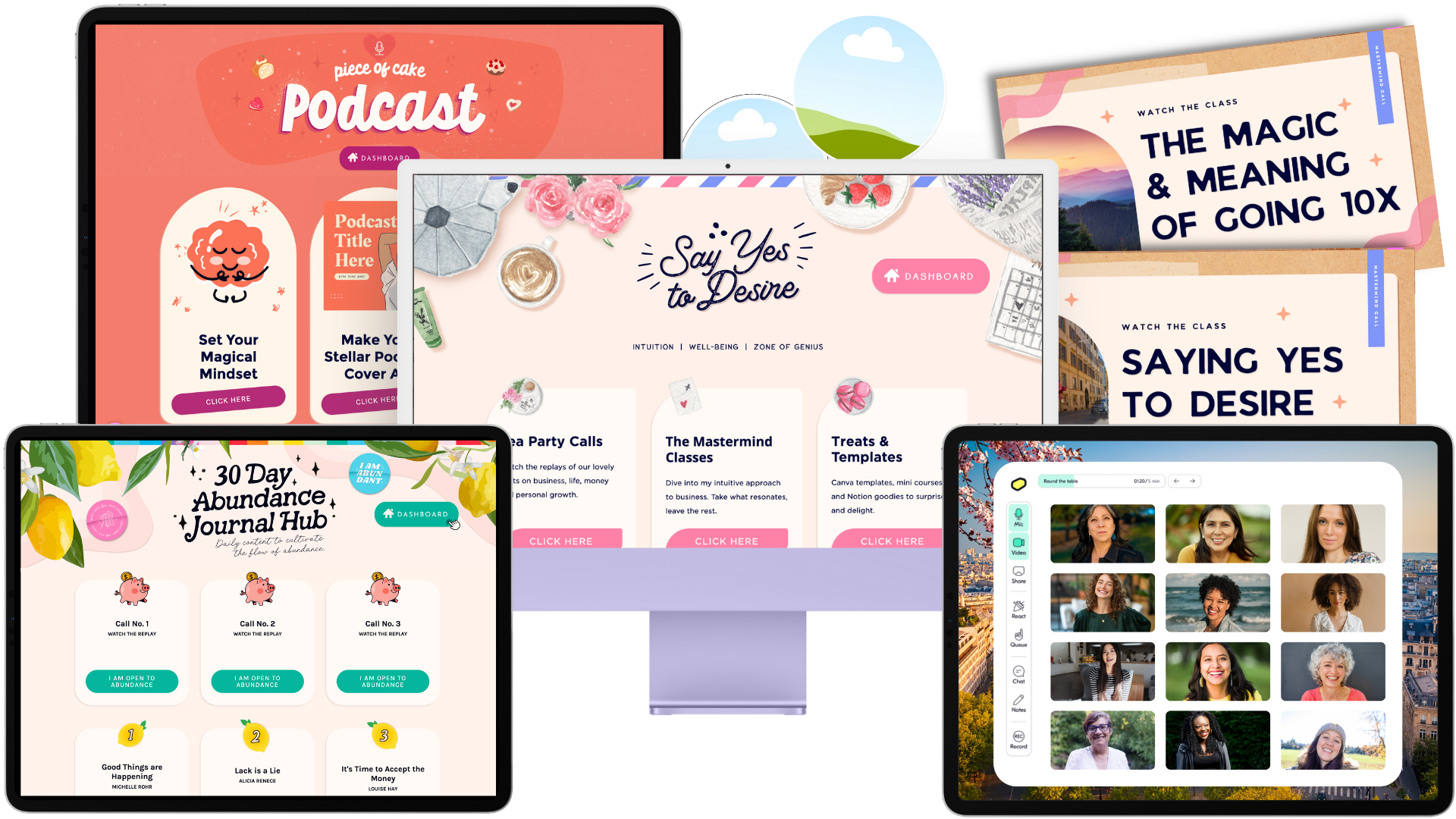
These insights come from our December 7 live call inside Say Yes to Desire—a community where we gather each month to dive deep into what really matters: building a business and life that honors your feminine energy, intuition, and natural rhythms.
Want access to the full video replay of this call and join us live next time? Learn more about Say Yes to Desire here.
Affiliate Disclaimer: This post contains affiliate links, which means I may earn acommission if you make a purchase through them (at no extra cost to you). I only recommend things I love and use myself. Your support helps keep The Secret O.W.L. Society moving and shaking. I appreciate you so much! 💛
Q: How do you run a book club with a big group and make sure everyone feels included?
Answer:
My approach to book clubs is totally chill and laid-back. I pick a book, let people know what we’re reading, and during the call, I read a passage and let the discussion flow naturally. There’s no pressure to read the entire book, and everyone’s welcome to participate however they’d like. The magic is in simply showing up and sharing the moment together.
Q: How do you set boundaries with your community, especially so you don't get overwhelmed with messages and requests?
Answer:
Boundaries are all about the energy you put out. If you value your time, others will too (most of the time). I’ve learned to energetically shift by putting a clear value on my time (like offering paid one-on-one sessions and stating my availability). Over-giving or people-pleasing attracts over-demanding behavior, so it’s key to clarify what you’re available for, both internally and through gentle communication.
Q: Where do you invest your money besides the stock market?
Answer:
I do some investing in real estate via REITs and have dabbled in angel investing, but consistently the best results for me come from the S&P 500. Simple index investing in the S&P 500 outperforms the rest and is hands-off. If you want to get started, I recommend reading J.L. Collins' book "The Simple Path to Wealth."
Q: If you're new to building courses on Teachery, what's the fastest and best way to get started?
Answer:
Bundle together resources you’ve already created into one product—like a “hub of goodies” (example here)—and offer it on Teachery. Start simple: one course or workshop can be built over a weekend, using unlisted YouTube videos or Canva links. Keep things easy for both you and your customers. You don't need complex funnels or massive automations.
Q: How do you organize your Canva files?
Answer:
I use my system in Notion (check out my Sacred Systems program) to keep links to all my main Canva projects—no more hunting around the Canva dashboard. For each recurring need (like annual workbooks or newsletter graphics), I link the Canva file in my Notion ritual tracker so when it's time to update, the file is easy to find. I also use a single Canva project for variations of the same kind of graphic (especially since you can now have multiple sizes in one project), and I try to keep only what's current. A little discipline and deletion goes a long way.
Q: Course creation feels lonely and overwhelming! Where should I turn for help, and how do I make the process more consistent?
Answer:
Honestly, creating courses is a deeply personal—and sometimes lonely—process because it can require you to really sit with yourself and go deep. The discomfort is normal. I suggest setting a short, focused timeline: create something in a weekend, not months. Sit with yourself, push through the "gunk" that comes up, and realize that each new project helps you shed old, unhelpful beliefs. If you keep your first projects simple, you'll spend less time in that isolated creation mode and more time learning and growing.
Q: How do you price digital products fairly—never too low or high?
Answer:
For me, pricing is less about what others will pay and more about what feels good in my body. If you price too low and add a ton of value, you'll start to resent your product and stop promoting it! A simple tip is to price slightly outside your comfort zone, avoid over-delivering, and remember you can always adjust later. If you feel good about your offer, you’ll promote it with genuine energy.
Q: How do you avoid burnout or working too much, especially when inspiration strikes and you want to create endlessly?
Answer:
It's about learning to stop before you're "full". If you're always pushing until you're totally spent, you'll burn out and lose the magic. Instead, practice stopping with something left in the tank—even if it's uncomfortable. The more you trust that inspiration will come back, the easier it becomes. Implement small systems (like noting where you left off on a project in Notion), so you don't feel you "have" to do it all in one go.
Q: What's your advice to fellow creators about enjoying the process and solving their own pain points?
Answer:
Whenever you notice a recurring frustration, write it down and solve for it systematically. Anticipate what will bug you in the future and create small, simple systems (like linking files, setting calendar reminders, etc.) to make your creative life easier. The people who succeed long term are usually the ones who invest energy in solving their own pain points. Neglecting your pain points leads to overwork and burnout.
Want to join the conversation?
Join Say Yes to Desire
Blog post prepared by Castmagic, drawing responses directly from my Say Yes to Desire tea party transcript.