Working Two Hours a Day: Is It Actually Possible?

You’re getting a taste of our Tea Parties
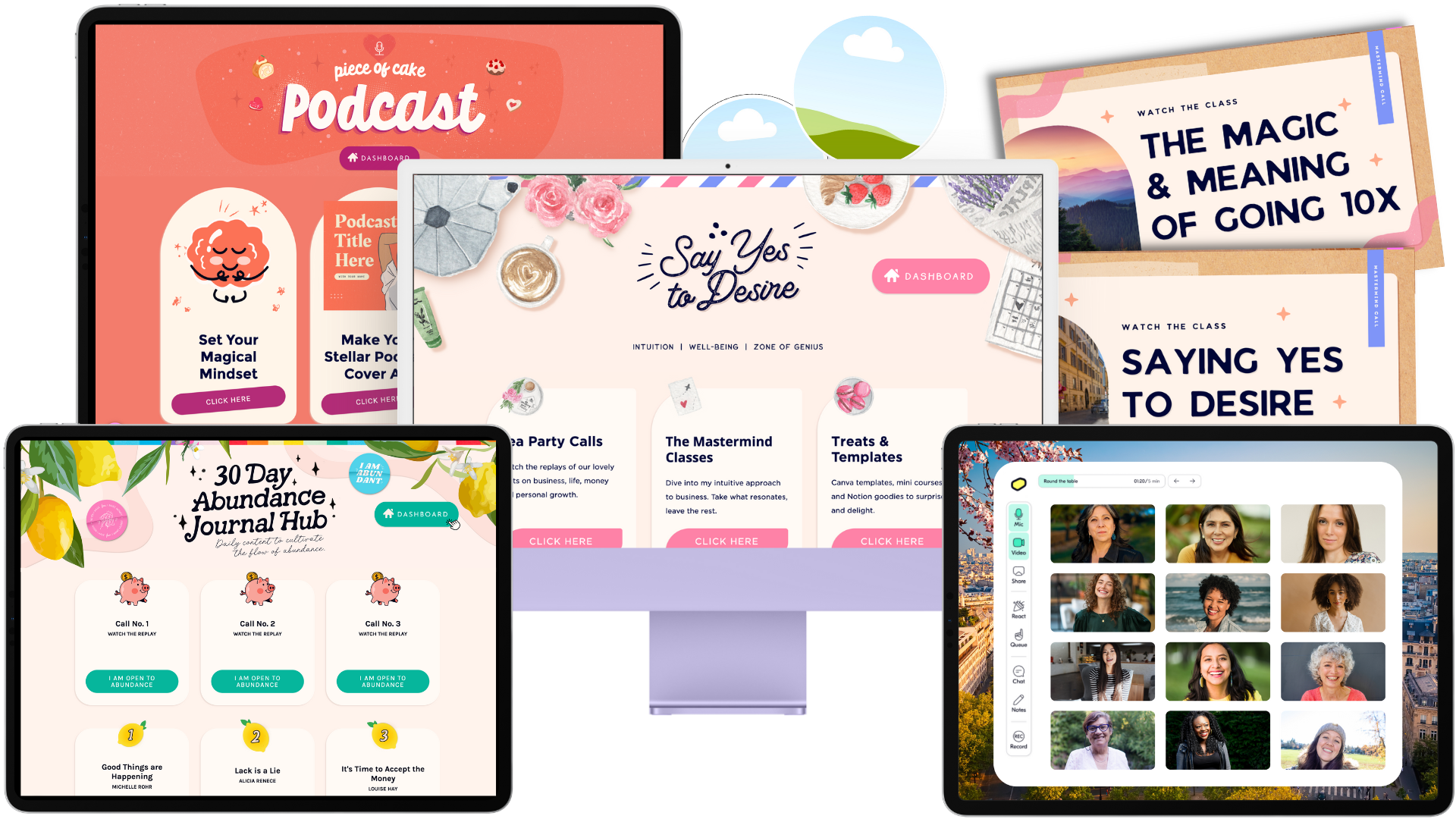
This post summarizes the Say Yes to Desire Tea Party from January 2025.
How do I avoid overworking as an entrepreneur, especially during launches?
It's totally normal to end up working long hours when you're launching something new or managing a big project, but remember—it's supposed to be a short season, not a lifestyle. Decide ahead of time how long your busy period will last, and give yourself permission to work more just for that window of time.
Afterward, reflect on the process: Could you have managed your energy better? Did you create pressure where it wasn't needed?
Then, in your day-to-day life of building your business, continue to challenge yourself to work as little as possible. This will compel you to continue building smarter systems that free up your time because you’re no longer defaulting to just working harder and longer.
Is the "work two hours a day" rule realistic for business owners?
It can sound extreme, but working less is more possible than most of us think. Many people react with stress or resistance to the idea, usually because we've tied our worth to productivity or believe we have to "earn" downtime.
There is some up-front effort—setting up systems and letting go of old habits—but once that's done, you'll be amazed at how much you can accomplish in a short, focused burst.
Start by tracking how long your daily business tasks actually take, and ruthlessly trim them down with step-by-step workflows at your fingertips to support you (if you need help with this, check out Sacred Systems). The reward is more freedom and time for the parts of your life that often get neglected.
What if I feel guilty or anxious when I'm not working all the time?
When you stop constantly working, unresolved stuff can bubble up—old patterns, anxious thoughts, or even childhood trauma. Often, overworking is a way to avoid these feelings: we're protecting ourselves from discomfort or trying to "fix" situations like we did as kids.
Doing the inner work (even shadow work, somatic healing, or therapy) helps break these cycles. As you address the root issues, you'll naturally find it easier to set boundaries, enjoy downtime, prioritize your well-being and trust that you're enough—without proving yourself through excessive output.
How do I choose what's worth doing and what's just busywork?
Look at the real data. How long do your core tasks actually take? Are there activities you're doing out of habit, expectation, or fear that could be dramatically simplified or dropped altogether? Being honest with yourself about your true available hours—and what gets results—is vital. Letting go of "shoulds" and external rules (like publishing a highly edited podcast every single week) frees up energy for what matters most: your well-being, creativity, and quality connections.
When launching a new program, how much should I do up front? Should I wait for "perfect"?
Don't fall into the perfectionism trap or overload your course with bells and whistles just to feel "enough." Your students actually benefit when you keep things simple. Launch first, then add or refine content based on their feedback, your inspiration, and your energy.
Every new feature or resource can become a positive talking point later. This approach conserves your energy, lets you enjoy the creative process, and ensures everyone gets a less overwhelming experience—including you.
How important is self-care in shifting my work-life balance?
Putting yourself first is a game-changer. Make it a rule: you don't start work until you've taken care of yourself (through exercise, journaling, proper meals, or anything that fills your cup). When you prioritize your own well-being, tasks get done faster and better, and you show up more powerfully in both business and life. This isn't just "nice"—it's necessary for sustainability, joy, and true success.
How can I break away from traditional work hours or outdated business advice?
Most "rules" about work hours—like the 9-to-5—are leftovers from old paradigms that don't fit modern entrepreneurship. Instead, design your work week around your real life: health needs, family, creative cycles, and the realities of your time. Challenge conventions and adapt. Remember, tending to your full life—pleasure, rest, relationships—is just as important as business output.
What's one simple assignment to start living with more pleasure, less hustle?
Take yourself on a solo date—no work allowed. Schedule a day, get a massage, treat yourself to lunch, read your favorite book, and do something purely for pleasure. Make self-care non-negotiable. Notice how nurturing yourself affects your energy, creativity, and work mindset. The ripple effect will surprise you!
Closing Thoughts
The big message from this tea party? The magic is YOU—not how much you work, but how well you honor your well-being, trust your enoughness, and build smart boundaries. Whether you're in a busy business season or a quiet period, keep asking: What would this look like if it were easy and pleasurable? Track your hours. Question old rules. Nourish yourself first, and let your work support—not steal from—the life you're here to live.